

Brunel University of London, Michael Sterling Building, Wilfred Brown, Uxbridge, UB8 3PH, UK.
We are delighted to announce HILIGHT 2026: FLIM & Photonics, a two-day technical meeting taking place at Brunel University of London on the 4th-5th of March 2026.
This free in-person event will bring together researchers, technologists, and industry partners from across the UK and EU to share the latest developments in laser technologies, fast detector systems, and fluorescence lifetime imaging microscopy (FLIM). The meeting forms part of the Horizon Europe HILIGHT project, which is advancing ultra-fast multiphoton FLIM for digital histopathology and cancer research .

Confirmed Main Sponsors
We are pleased to announce the HILIGHT2026: FLIM & Photonics is supported by PicoQuant and Laser 2000, two organisations with long-standing involvement in fluorescence lifetime imaging and photonics technologies.

Their sponsorship supports the delivery of a high-quality scientific programme and facilitates engagement between academics and industrial researchers.
As part of the event, both sponsors will contribute a technical bite talk, sharing perspectives on measurement challenges, practical approaches, and emerging directions that complement the overall programme.
Eventbrite registration page is now open:
HILIGHT 2026: FLIM & Photonics Tickets
Don’t miss HILIGHT 2026: FLIM & Photonics!
Join us for the coolest in FLIM & Photonics—see the future of light tech live!
Current Programme
- Registration
- 09:30 – 10:00
- Welcome to the Event
- 10:00 – 10:20
- FLIM Applications I (2 talks)
- 10:20 – 11:10
- Coffee break
- 11:10 – 11:30
- Laser Development (3 talks)
- 11:30 – 12:45
- Flash Talks
- 12:45 – 13:05
- Lunch, poster session, sponsor tables
- 13:05 – 14:05
- Detector Development (3 talks)
- 14:05 – 15:20
- Coffee break
- 15:20 – 15:40
- Sponsor Tech Bite I
- 15:40 – 15:55
- Optical Development (3 talks)
- 15:55 – 17:10
- Poster session, sponsor tables, networking
- 17:10 – 18:10
- Networking Dinner
- 18:10 – 20:00
- Morning remarks
- 10:00 – 10:20
- FLIM Applications II (3 talks)
- 10:20 – 11:35
- Coffee break
- 11:35 – 11:55
- Mixed Session (3 talks)
- 11:55 – 13:10
- Lunch, poster session, sponsor tables
- 13:10 – 14:10
- Sponsor Tech Bite II
- 14:10 – 14:25
- Cross-Topic Panel Discussion
- 14:25 – 15:25
- Closing remarks and departure
- 15:25 – 15:45
Confirmed Speakers
- Dr Thomas Blacker, University College London, UK
- Dr Falk Schneider, University of Warwick, UK
- Dr Sara Pellegrini, STMicroelectronics
- Prof Edoardo Charbon, École Polytechnique Fédérale de Lausanne (EPFL), Switzerland
- Prof Simon Ameer-Beg, King’s College London,UK
- Dr Simon Poland, King’s College London, UK
- Dr Joëlle Goulding, University of Nottingham, UK
- Prof Banafshe Larijani, University of Bath, UK
- Prof Ruslan Dmitriev, Ghent University, Belgium
- Dr Conor A Treacy, Brunel Universty London, UK
- Prof Marina Kuimova, Imperial College London, UK
- Dr Sylvain Boust, III-V Lab, France
- Dr Leonardo Gasparini, Fondazione Bruno Kessler (FBK), Italy
- Dr Alessandro Rosetta, LaserBlood, Italy
- Dr Gunnar Blume, Ferdinand-Braun-Institut, Leibniz-Institut für Höchstfrequenztechnik (FBH), Germany
- Prof Gail McConnell, University of Strathclyde, UK
- Prof Amanda J. Wright, University of Nottingham, UK
Speaker Bios and Titles
Speaker 1
Meet Professor Ruslan I. Dmitriev
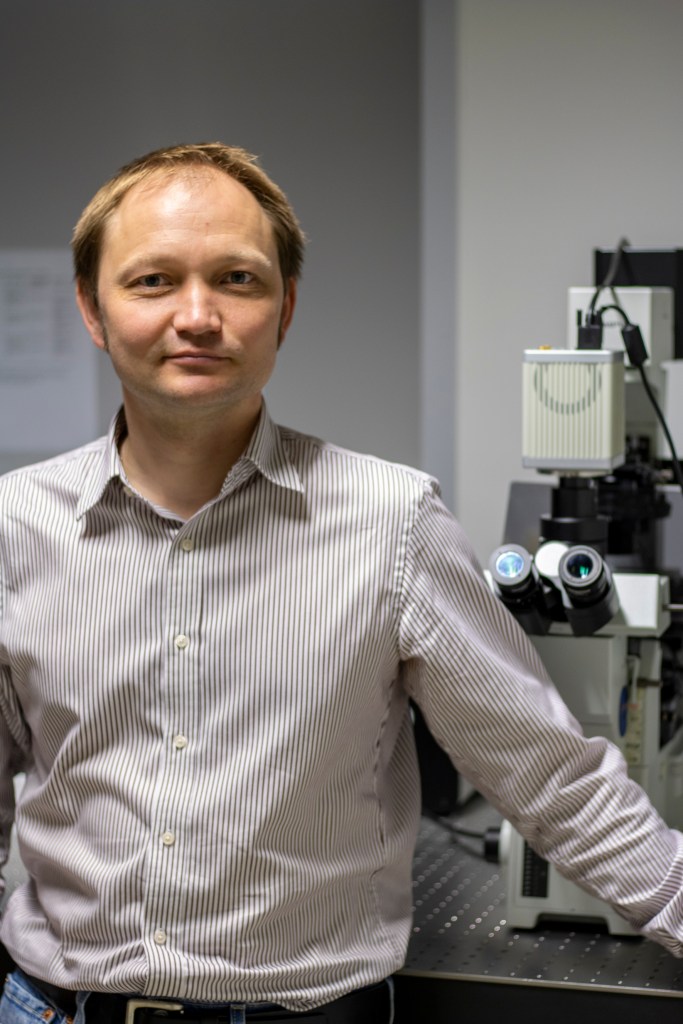
He is an associate professor at Ghent University (Ghent, Belgium), head of Tissue Engineering and Biomaterials group and board member of Ghent Light Microscopy Core. He has a long-standing research interest in live multi-parameter FLIM of 3D tissue models, which include spheroids, intestinal and ‘brain’ organoids. His team pioneered imaging oxygenation of neurospheres and metabolic imaging of the small intestinal organoids. His current research interests are in multiphoton FLIM, imaging-assisted organoid & tissue engineering, as well as visualisation of physiologically relevant (bio)molecular gradients in the living 3D tissue models.
His Talk: Visualising internalisation and the biological impact of nanoplastics in live organoid models using fluorescence lifetime imaging microscopy (FLIM).
Speaker 2
Meet Professor Marina K. Kuimova
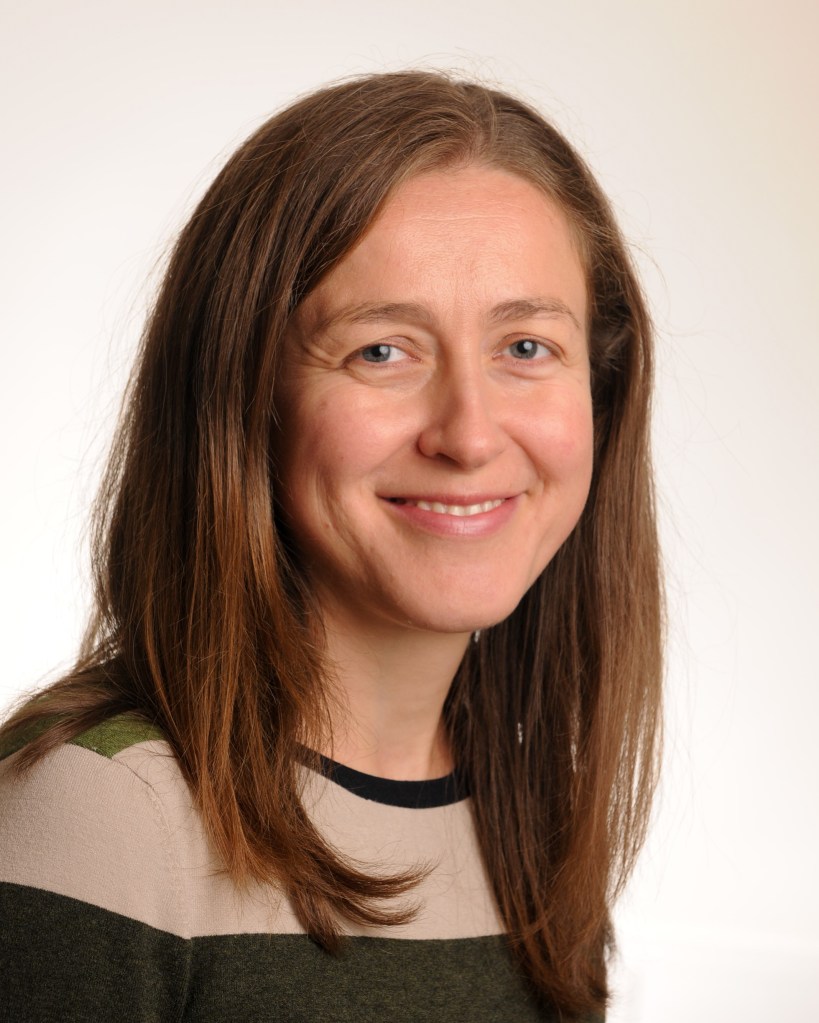
She is a Professor in Chemistry at Imperial College London. After earning her Master’s degree at Moscow State University and a PhD at the University of Nottingham, she progressed through roles as EPSRC Fellow and Lecturer before her current appointment. She has received several prestigious awards, including the Royal Society of Chemistry Corday-Morgan Prize (2024). Her research focuses on developing unique probes and methodologies in fluorescence lifetime imaging (FLIM) to study dynamic biological processes in living systems, pertinent to health and disease, reflecting the focus of HILIGHT 2026: FLIM & Photonics event.
Her Talk: Measuring cellular viscosity with molecular rotors and FLIM.
Speaker 3
Meet Dr Conor Treacy

He is a Research Fellow at Brunel University London, working within the Horizon Europe HILIGHT project on advanced fluorescence imaging and digital histopathology. He is an interdisciplinary biophysicist specialising in multiphoton fast FLIM, FRET, and lifetime-based biosensing, with a background in protein mechanics and single-molecule techniques. Conor completed his MRes and PhD in Cell and Molecular Biophysics at King’s College London, where he investigated vinculin activation through the Rap1a–RIAM complex and helped develop multi-colour cascade FRET sensors and lifetime analysis pipelines. At Brunel he applies next-generation TCSPC instrumentation and lifetime reporters to complex cancer models, including his recent work using Acridine Orange as a lifetime-based marker of DNA damage and structural heterogeneity in 3D PDAC spheroids.
His Talk: Multiphoton FLIM Reveals DNA Structural Signatures in Mechanically Tuned Pancreatic Cancer Spheroids .
Speaker 4
Meet Professor Edoardo Charbon.

He is a Full Professor at EPFL and a leading figure in advanced imaging and quantum electronics. He earned degrees from ETH Zurich, UC San Diego, and UC Berkeley, and has held roles at Cadence Design Systems and Canesta Inc. Charbon pioneered CMOS SPAD technology, now central to LiDAR, medical diagnostics, and time-resolved imaging, and drives innovations in Cryo-CMOS for scalable quantum computing. His research spans FLIM, 3-D vision, LiDAR, and quantum circuits. He has authored over 500 papers, holds 31 patents, and is an IEEE and Optica Fellow. Recent honours include the 2023 IISS Pioneering Achievement Award.
His Talk: Picosecond Image Sensors: From FLIM to Quantum Imaging. – where he will outline how advances in SPAD-based photon-counting sensors, combined with computational imaging and emerging technologies, enable breakthroughs from biological imaging to quantum technologies.
Speaker 5
Meet Dr Falk Schneider.
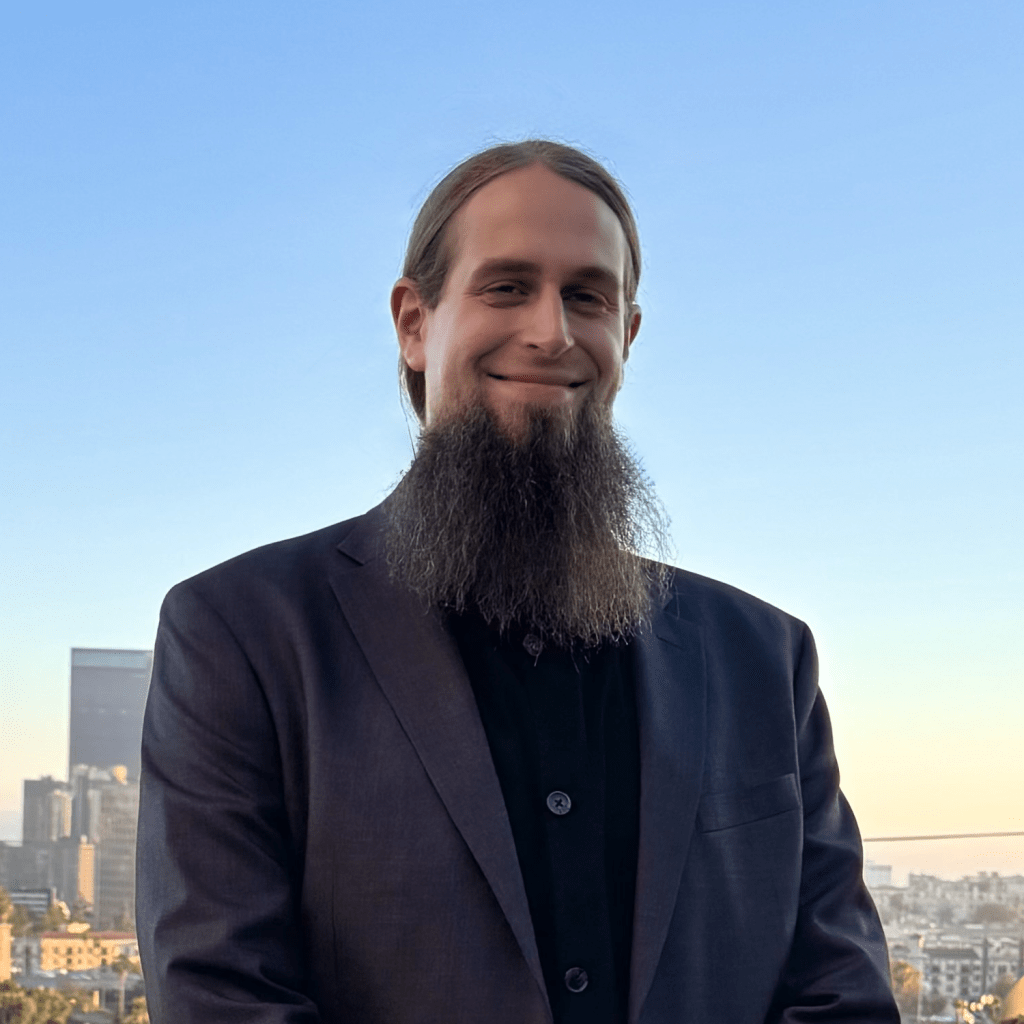
He is an Assistant Professor at the University of Warwick at the Centre for Mechanochemical Cell Biology. He trained with Christian Eggeling and Marco Fritzsche at the University of Oxford before completing postdoctoral research with Scott Fraser at the University of Southern California. His lab for Fluorescence and Membrane Dynamics (FMD), established in 2025, investigates how molecular interactions organise biological systems across scales using fluorescence fluctuation spectroscopy and fluorescence lifetime imaging.
His Talk: Seeing Metabolism Clearly: Navigating Cross-Excitation Challenges in Multiplexed NADH FLIM.
Speaker 6
Meet Dr Sara Pellegrini.

She is the Imaging Communication and Academic Collaborations Manager in the Imaging subgroup within the Analog, MEMS, and Sensors Group at STMicroelectronics since July 2023. She joined ST as a Characterization and Modelling Engineer in 2006 and progressed to Technology Manager and later to Advanced Photonics Pixel Architect. She led advanced SPAD pixel technology development, together with silicon, process, module, and system R&D teams to develop the SPAD pixel roadmap. During her PhD she developed InGaAs SPADs and worked on FLIM applications, a topic which is still part of activities she covers through academic collaborations. She holds several patents and has authored papers on SPAD (Single-Photon Avalanche Diode) systems. She graduated in Electronic Engineering from Politecnico di Milano in 1999 and received her PhD in Physics from Heriot-Watt University in 2006.
Her Talk: Pixels for FLIM: SPADs in monolithic and 3D stacked technology.
Speaker 7
Meet Dr Gunnar Blume.
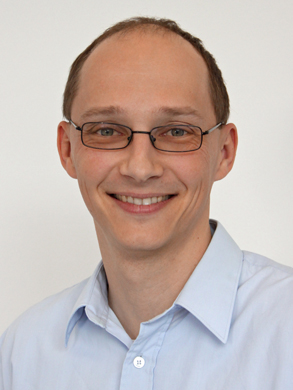
He is a senior researcher at the Ferdinand-Braun-Institut, Leibniz-Institut für Höchstfrequenztechnik, Berlin, Germany, where he works on high-power semiconductor lasers and integrated laser modules. He received his Diploma in Physics Engineering from the University of Applied Sciences Brandenburg, Germany, in 2002, and completed his PhD at the University of Surrey in 2007. Since joining the Ferdinand-Braun-Institute, he has focused on improving semiconductor laser performance for use in spectroscopy, laser cooling and material processing. His research interests include tapered semiconductor devices and the link between device physics and practical laser systems. He is a member of the German Physical Society and the Institute of Physics.
His Talk: Short pulse semiconductor laser development at FBH for fluorescence lifetime imaging and spectroscopy.
Speaker 8
Meet Dr Sylvain Boust.

He is a research engineer at the III–V Lab, where he works on silicon nitride photonic chips and GaAs-based lasers for microwave photonics and atomic clock systems. He graduated from the Institut d’Optique Graduate School (IOGS) in 2017 and completed his PhD in 2021 through a joint programme between III–V Lab and Institut FOTON, Rennes, France. His doctoral work centred on integrated optical source based on butt-coupling between III–V gain chips and silicon nitride photonic integrated circuits. From 2021 to 2022, he worked at Thales Research and Technology on photonic integrated circuits for multiband RF transceivers. He became the programme leader for pumping laser diodes (700–1100 nm) at III–V Lab in 2025. He also coordinates the HILIGHT project and leads the design and characterisation of its laser source in collaboration with CSEM.
His Talk: Versatile laser diode for 2ph FLIM at 8 Mpx/s in HILIGHT project.
Speaker 9
Meet Professor Gail McConnell.
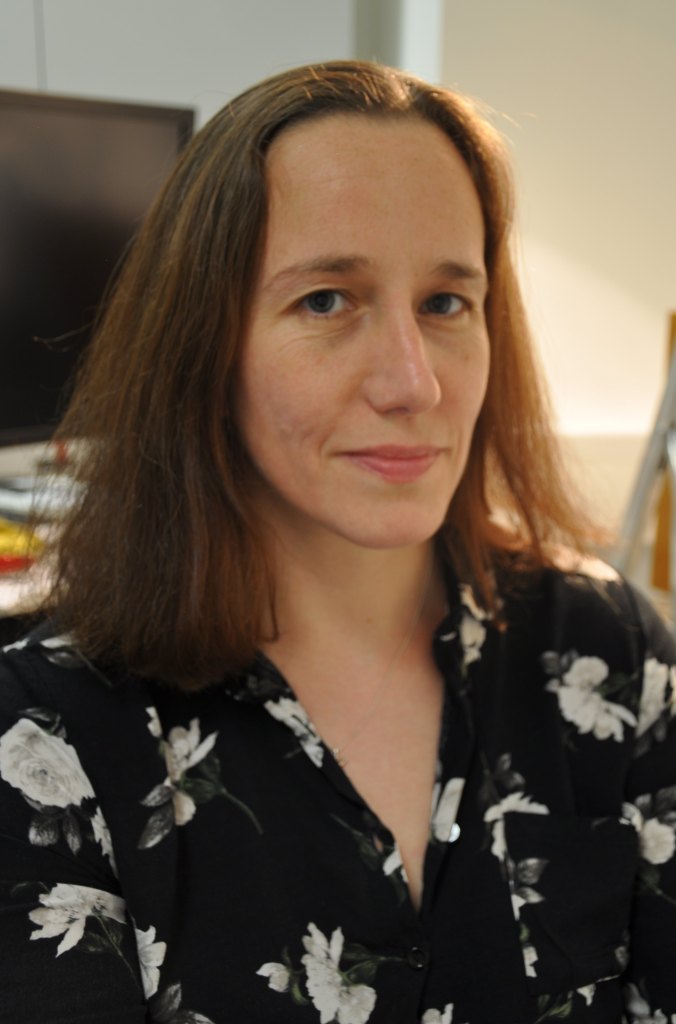
She a is Professor of Biophotonics at the Strathclyde Institute of Pharmacy and Biomedical Sciences at the University of Strathclyde, Glasgow, UK. Following a first degree in Laser Physics and Optoelectronics (1998) and PhD in Physics from the University of Strathclyde (2002), she obtained a Personal Research Fellowship from the Royal Society of Edinburgh (2003) and a Research Councils UK Academic Fellowship (2005), securing a readership in 2008 and professorship in 2012. The work in Gail’s multidisciplinary research group involves the design, development, and application of new technologies for biological and biomedical imaging, from the nanoscale to the whole organism. She is a Fellow of the Royal Society of Edinburgh, a Fellow of the Institute of Physics, a Fellow of the Royal Microscopical Society, and an Honorary Fellow of the British Biophysical Society.
Her Talk: Multiphoton mesoscale imaging with the Mesolens.
Speaker 10
Meet Professor Amanda Wright.
She is a Professor of Optics in the Optics and Photonics Research Group, Faculty of Engineering, University of Nottingham. Here she runs a team that develops novel optical and imaging techniques to study processes that occur in biomedical systems. She has worked on methods such as non-linear microscopy, light sheet imaging, optical trapping, micro-rheology, wavefront shaping and aberration correction. Wright has previously held a RAEng Research Fellowship and prior to Nottingham worked at the Institute of Photonics, University of Strathclyde, she completed her degree and PhD in Physics at the University of Manchester.
Her Talk: Optical imaging deep into biological samples.
Speaker 11
Meet Dr Joëlle Goulding.
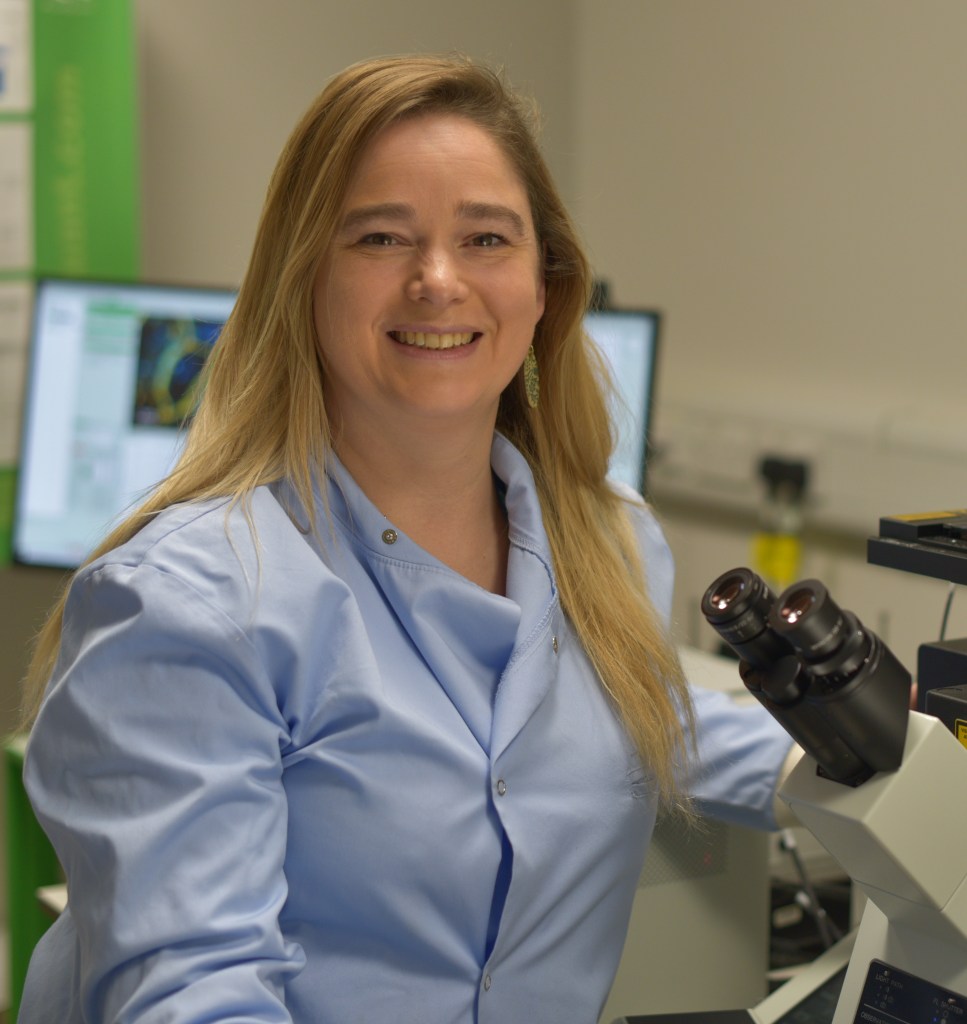
She is a Senior Research Fellow in Advanced Microscopy within the Centre for Membrane Proteins and Receptors (COMPARE) at the University of Nottingham. Dr Goulding gained a PhD in Genetics at the University of Nottingham before moving into the field of molecular pharmacology, all the while developing a love of microscopy. She specialises in fluorescence correlation spectroscopy but has recently introduced FLIM applications to the group’s toolkit. Her current research concerns applying advanced microscopy modalities in order to better understand the spatio-temporal organisation of membrane proteins and the impact this may have on their molecular pharmacology.
Her Talk: Utilising lifetime to understand membrane protein organisation.
Speaker 12
Meet Professor Banafshé Larijani.
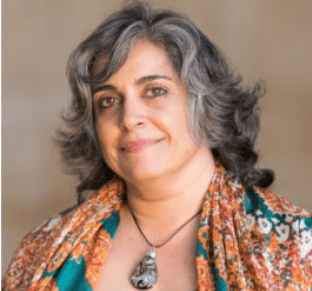
She leads the newly formed international Consortium for Precision Health at University of Bath (CPH), with the vision to be the flagship of precision translational research at University of Bath, where academics and clinicians/surgeons work symbiotically, to succeed in delivering personalised treatment to patients. She was the Chair of the Centre for Therapeutics Innovation (CTI) at the University of Bath (2019-2025); an internationally faced research and innovation Centre with the mission to transform innovation, arising from transdisciplinary research to quantitative diagnostics & medicines-design. Professor Larijani’s laboratory, Cell Biophysics, is a cutting-edge cross-disciplinary platform, that has drawn upon the physical sciences to develop novel avenues for investigation of biological processes in signalling pathways.
Her Talk: A step towards precision in cancer early diagnostics and treatment.
Speaker 13
Meet Dr Thomas Blacker.
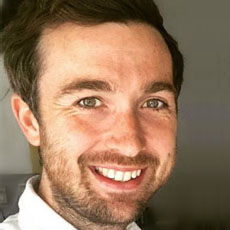
He is a Lecturer in Cellular Biochemistry in the Research Department of Structural and Molecular Biology within UCL’s Division of Biosciences. He studied Physics at the University of Exeter, including a year abroad at the University of Sydney. He then joined the Centre for Mathematics and Physics in the Life Sciences and Experimental Biology (CoMPLEX) at UCL, where he conducted his PhD research within the Departments of Physics and Astronomy and Cell and Developmental Biology. Recently, he completed a BBSRC Discovery Fellowship, which supported the establishment of his research group. The group focuses on developing and applying quantitative methods to study metabolism in living systems, with particular emphasis on the interplay between biochemistry and photophysics in fluorescent probes.
His Talk: Biochemical mechanisms controlling metabolic sensitivity in autofluorescence
Speaker 14
Meet Professor Simon Ameer-Beg.

He is a Professor of Optical Bioimaging at King’s College London and a pioneer in fluorescence lifetime imaging microscopy (FLIM) for studying molecular interactions in living systems. His work has driven the development and application of advanced FLIM–FRET techniques to quantify protein interactions, signalling, and mechanobiology with high spatial and temporal precision. He has played a leading role in translating optical imaging technologies from fundamental research into biomedical and clinical applications.
His Talk: It’s About Time: Using FLIM-FRET to See Molecular Interactions.
Speaker 15
Meet Dr Simon Poland.
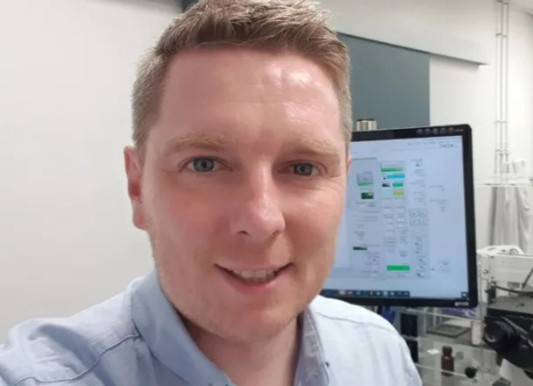
He is a senior lecturer in biophysics and UKRI Future Leaders Fellow at the Comprehensive Cancer Centre at King’s College London. At the Advanced Functional Imaging group which he leads is focused on the development of FLIM based technologies to visualise the dynamic interaction of proteins within the cellular environment of complex 3D cell culture models, with the goal to further the understanding of cell signalling dynamics and control in cell migration and cancer progression.
His Talk: Novel imaging strategies for high-speed fluorescence lifetime imaging.
Equality, Diversity and Inclusion Statement:
The HILIGHT 2026 mission is to bring together researchers, developers, and industry partners to share knowledge, strengthen collaboration, and support scientists at every stage of their careers. We welcome contributions from established experts, early-career researchers, and students, and abstracts will be assessed solely on scientific quality and relevance.
The organising team is fully committed to ensuring equal opportunities and fair treatment for all participants, irrespective of gender, age, marital status, sexual orientation, ethnic background, religion, culture, or disability. We are dedicated to providing a welcoming, respectful, and accessible environment for everyone attending HILIGHT 2026 and to complying with all relevant UK and EU legislation on equality, diversity, and inclusion. We warmly invite you to join us in March 2026 and contribute to an open, collaborative, and diverse FLIM and photonics community.
Privacy Statement for the Brunel University London Event
Brunel University London (“BUL”) collects and processes your personal data (name, email, organisation/affiliation, job title and any dietary requirements) for the purpose of administering this event. Processing is carried out under BUL’s public task and contractual obligations, with explicit consent for any dietary information and optional communication preferences. Registration data is collected through Eventbrite, acting as BUL’s data processor. BUL will not use your information for marketing unless you give separate consent. Data will be retained only as long as necessary and handled in accordance with the University’s Data Protection & Information Access Policy. For further information or to exercise your rights under UK GDPR, contact data-protection@brunel.ac.uk.
 HILIGHT